There was no question leading up to the days before her birth last June that my fourth daughter, Clara Hope, had some large shoes to fill. I think most babies coming into the world with older siblings do to a degree, but poor Clara has the gift (or curse) of truly incredible sisters.
Although her next oldest sister, Gabrielle, had by far the worst birth story, Clara's pregnancy was the most difficult (when they tell you that childbirth gets more difficult when you approach forty, they're not lying). I was uncomfortable all the time, my feet swelled, my blood pressure fluctuated, I had unspeakable migraines, I had weird bouts of confusion and pain that were ultimately tied to potassium and other vitamin deficiencies, and so on. Because of the drama of Gabrielle's birth, there was no question that Clara was going to be a C-section delivery, then we found out she was breech, so this opened up a whole new can of worms.
Anyway, her C-section was scheduled for a Friday morning, but my water broke Wednesday afternoon and she was born that evening.

The day after she was born, we were informed that Clara had failed her newborn hearing screening. They'd need to repeat it the day we were discharged. When they repeated the hearing test, she still failed. They set up an appointment for several months in advance and let us bring her home.

Once home, Clara decided that she did not like to nurse. Ironically, I've never been one of those vehement "breast feed or die" women, but at the same time, I've had incredibly good luck with my first three daughters and they breast fed almost to a year old. I didn't know how upsetting it would be for me that Clara wouldn't nurse, but it was terrible!


And then I got to feel like a selfish jerk for the first of many times, because here I was having a pity party about my baby not wanting to nurse and she was literally wasting away. She was at the doctor's every day for a week while we tried to figure out how to handle it (in case you're wondering, I became slave to the breast pump and we supplemented it with formula ... it was a very long summer).
We worked very hard to get her weight up, and things seemed to be going well, and then out of the blue, Clara stopped breathing one night. I was out with my oldest daughter celebrating her 21st birthday, and when I got home the baby was coughing and coughing, which she'd evidently been doing all night, then suddenly she stopped and couldn't breathe. It was a nightmare I wouldn't wish on my worst enemy. They kept her in the hospital under observation for two days, and it was unspeakable. She was such a trooper, but the rest of us were collective messes.
The big stuff settled down after that; well, as much as possible with four children, a dog, a cat, and all adults working full-time jobs. I took Clara to her three-hour hearing screening, and she passed it with flying colors. Life is good.
And yet, I have this problem ...
Clara's sister Gabrielle is sixteen months older than she is. What that means, of course, is that it's impossible not to do a bit of comparing, no matter how hard you try to avoid it (and Gabby's so young still that it's hard to avoid).

Gabrielle walked early. She talked early. She is, at the age of two, the most naturally funny human being I've ever met. Her speech was slightly delayed by a year's worth of ear infections, but once she got tubes put in her vocabulary has taken off like a rocket. As a very young baby, her receptive language was unbelievable, and that has continued.
When she was a year old, Gabby said Mama, Dada, Ari (her sister), Mimi (grandmother), Howard (the dog), kitty, cheese, cracker, more, all done, and so on.
Clara says Dada. Possibly Mama. There are rumors that she said water once, but no witnesses.
When Gabby was Clara's age, she was building block towers that meet milestones set for three-year-olds. Clara bangs two blocks together on a good day.
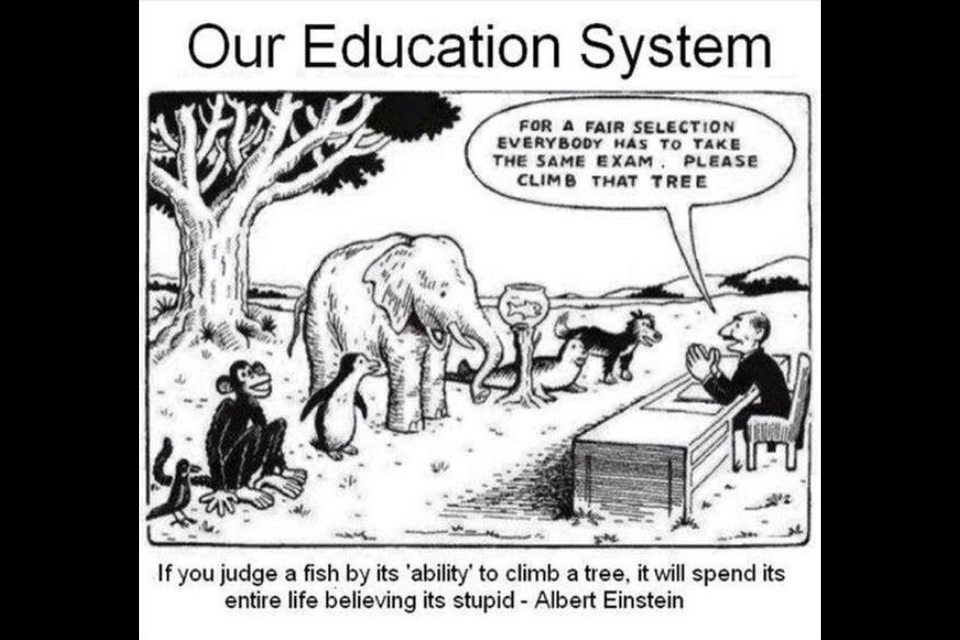
I see what I'm typing, and I hate it. Gabby's my favorite child and is going to be an engineer, and Clara is going to be a bank teller, right? No, that's not it at all.
I have two other daughters, one an exceptional musician and linguist (I could brag for hours but I won't) and one a competitive gymnast (same). These two girls are superstars.


If our beliefs about Clara are tied to her crawling well over a full month after Gabrielle did, what is going to happen when you add in phrases like "Fulbright Scholar" and "elite gymnast"?
And so for awhile, we believed that Clara was just going to be an average child. In a family of academics, this is something that I think Jeff and I struggled with silently and separately ... what if Clara wasn't as smart as the others?
We've gotten to know Miss Clara Hope pretty well by now, though, as I'm sure you can imagine. I look into her eyes, see the sparkle, and wonder how I could ever have doubted that her mind is just as brilliant (and likely just as diabolical, at times) as every one of her sisters'.


My mother kept saying to me that, even if she wasn't smart, she wouldn't be loved any less, and this was always, always the truth.
Now we know that she is smart--too smart, not to beat a dead horse ... she sits at her day care and steals pacifiers from the other babies, laughs, then gives them back; she locates every possible piece of detritus on the floor (it doesn't matter if the floor was just vacuumed) and gets it into her mouth; she waves bye-bye and claps her hands when you say, "Yay, Clara!" and loves playing in her toy kitchen with her sisters.

It took us awhile to realize that Clara is a child that will never do something until she decides that she wants to do it. Not walk, not talk, not crawl (although she started doing that this week), nothing. It occurs to me that we do at times treat Gabby like a trick pony--"You have to see Gabby count to ten ... her Hulk impression ... her rendition of 'Happy Birthday to You' ... how she hits the high note in 'Let it Go' ... her block towers."
Nope, Clara saw that writing on the wall and decided to pull this average thing. Too bad we're on to her ... although I think it's been a tremendous learning experience for all of us.
I loved Clara Hope when she was inside me, I loved her the second she was born, and I've loved her every minute since then. I would not love her any less if she was not exceptional like her sisters because I love her for her, which is of course how I got to see that she was never "average" at all, even after I'd resigned myself to it.
I don't know why the idea of an average child was hard for me, but Clara helped me come to terms with it, just before she looked at me again with that sparkle in her eye so much like Gabby's and said, "Mama."
Although her next oldest sister, Gabrielle, had by far the worst birth story, Clara's pregnancy was the most difficult (when they tell you that childbirth gets more difficult when you approach forty, they're not lying). I was uncomfortable all the time, my feet swelled, my blood pressure fluctuated, I had unspeakable migraines, I had weird bouts of confusion and pain that were ultimately tied to potassium and other vitamin deficiencies, and so on. Because of the drama of Gabrielle's birth, there was no question that Clara was going to be a C-section delivery, then we found out she was breech, so this opened up a whole new can of worms.
Anyway, her C-section was scheduled for a Friday morning, but my water broke Wednesday afternoon and she was born that evening.

The day after she was born, we were informed that Clara had failed her newborn hearing screening. They'd need to repeat it the day we were discharged. When they repeated the hearing test, she still failed. They set up an appointment for several months in advance and let us bring her home.

Once home, Clara decided that she did not like to nurse. Ironically, I've never been one of those vehement "breast feed or die" women, but at the same time, I've had incredibly good luck with my first three daughters and they breast fed almost to a year old. I didn't know how upsetting it would be for me that Clara wouldn't nurse, but it was terrible!


And then I got to feel like a selfish jerk for the first of many times, because here I was having a pity party about my baby not wanting to nurse and she was literally wasting away. She was at the doctor's every day for a week while we tried to figure out how to handle it (in case you're wondering, I became slave to the breast pump and we supplemented it with formula ... it was a very long summer).
We worked very hard to get her weight up, and things seemed to be going well, and then out of the blue, Clara stopped breathing one night. I was out with my oldest daughter celebrating her 21st birthday, and when I got home the baby was coughing and coughing, which she'd evidently been doing all night, then suddenly she stopped and couldn't breathe. It was a nightmare I wouldn't wish on my worst enemy. They kept her in the hospital under observation for two days, and it was unspeakable. She was such a trooper, but the rest of us were collective messes.
The big stuff settled down after that; well, as much as possible with four children, a dog, a cat, and all adults working full-time jobs. I took Clara to her three-hour hearing screening, and she passed it with flying colors. Life is good.
And yet, I have this problem ...
Clara's sister Gabrielle is sixteen months older than she is. What that means, of course, is that it's impossible not to do a bit of comparing, no matter how hard you try to avoid it (and Gabby's so young still that it's hard to avoid).

Gabrielle walked early. She talked early. She is, at the age of two, the most naturally funny human being I've ever met. Her speech was slightly delayed by a year's worth of ear infections, but once she got tubes put in her vocabulary has taken off like a rocket. As a very young baby, her receptive language was unbelievable, and that has continued.
When she was a year old, Gabby said Mama, Dada, Ari (her sister), Mimi (grandmother), Howard (the dog), kitty, cheese, cracker, more, all done, and so on.
Clara says Dada. Possibly Mama. There are rumors that she said water once, but no witnesses.
When Gabby was Clara's age, she was building block towers that meet milestones set for three-year-olds. Clara bangs two blocks together on a good day.
I see what I'm typing, and I hate it. Gabby's my favorite child and is going to be an engineer, and Clara is going to be a bank teller, right? No, that's not it at all.
I have two other daughters, one an exceptional musician and linguist (I could brag for hours but I won't) and one a competitive gymnast (same). These two girls are superstars.


If our beliefs about Clara are tied to her crawling well over a full month after Gabrielle did, what is going to happen when you add in phrases like "Fulbright Scholar" and "elite gymnast"?
And so for awhile, we believed that Clara was just going to be an average child. In a family of academics, this is something that I think Jeff and I struggled with silently and separately ... what if Clara wasn't as smart as the others?
We've gotten to know Miss Clara Hope pretty well by now, though, as I'm sure you can imagine. I look into her eyes, see the sparkle, and wonder how I could ever have doubted that her mind is just as brilliant (and likely just as diabolical, at times) as every one of her sisters'.


My mother kept saying to me that, even if she wasn't smart, she wouldn't be loved any less, and this was always, always the truth.
Now we know that she is smart--too smart, not to beat a dead horse ... she sits at her day care and steals pacifiers from the other babies, laughs, then gives them back; she locates every possible piece of detritus on the floor (it doesn't matter if the floor was just vacuumed) and gets it into her mouth; she waves bye-bye and claps her hands when you say, "Yay, Clara!" and loves playing in her toy kitchen with her sisters.

It took us awhile to realize that Clara is a child that will never do something until she decides that she wants to do it. Not walk, not talk, not crawl (although she started doing that this week), nothing. It occurs to me that we do at times treat Gabby like a trick pony--"You have to see Gabby count to ten ... her Hulk impression ... her rendition of 'Happy Birthday to You' ... how she hits the high note in 'Let it Go' ... her block towers."
Nope, Clara saw that writing on the wall and decided to pull this average thing. Too bad we're on to her ... although I think it's been a tremendous learning experience for all of us.
I loved Clara Hope when she was inside me, I loved her the second she was born, and I've loved her every minute since then. I would not love her any less if she was not exceptional like her sisters because I love her for her, which is of course how I got to see that she was never "average" at all, even after I'd resigned myself to it.
I don't know why the idea of an average child was hard for me, but Clara helped me come to terms with it, just before she looked at me again with that sparkle in her eye so much like Gabby's and said, "Mama."